Where the questions began.

I began by noticing how differently opportunity can look depending on the resources, time, support, and circumstances available to a person.

That awareness grew from the people, families, businesses, and communities I saw around me, and from watching how much people could still create when they learned to make careful use of what they had.

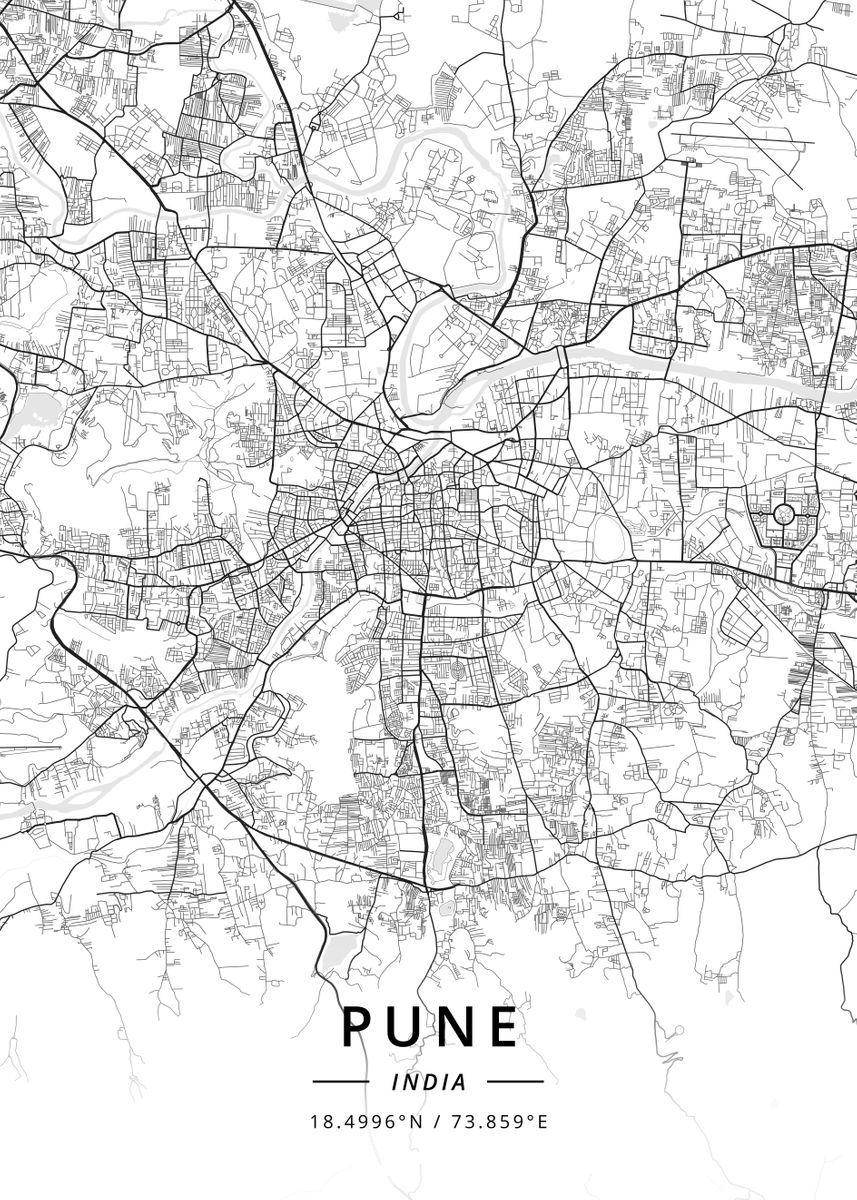
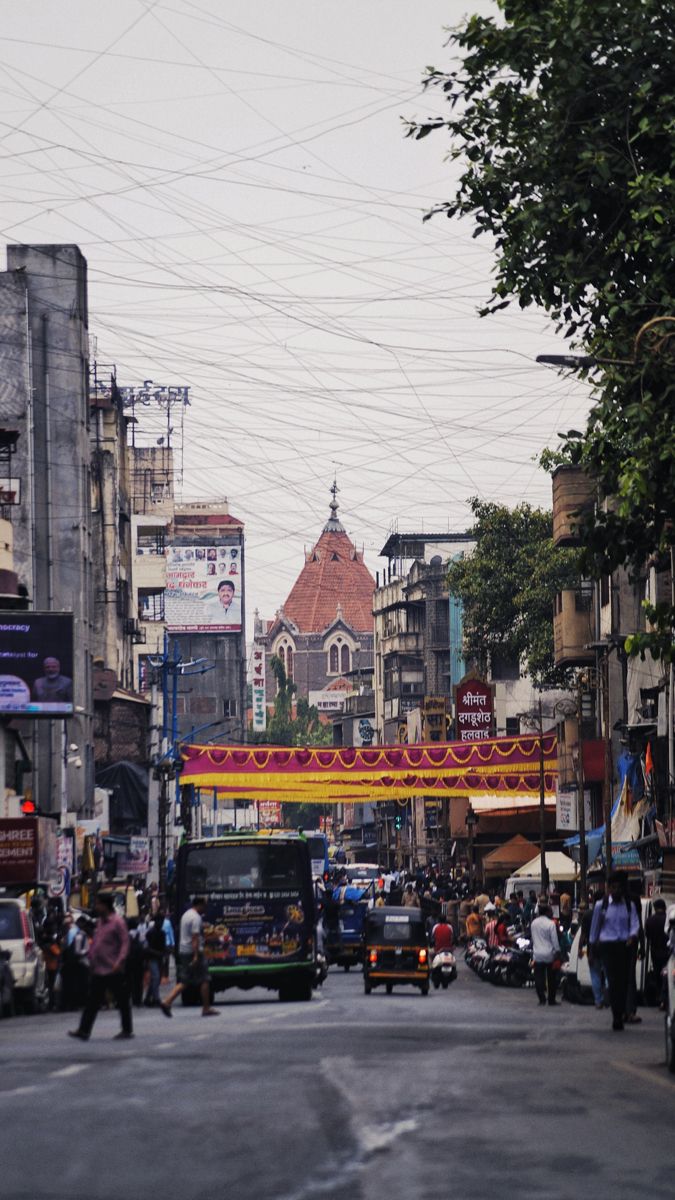
Map of Pune, India
01Origins

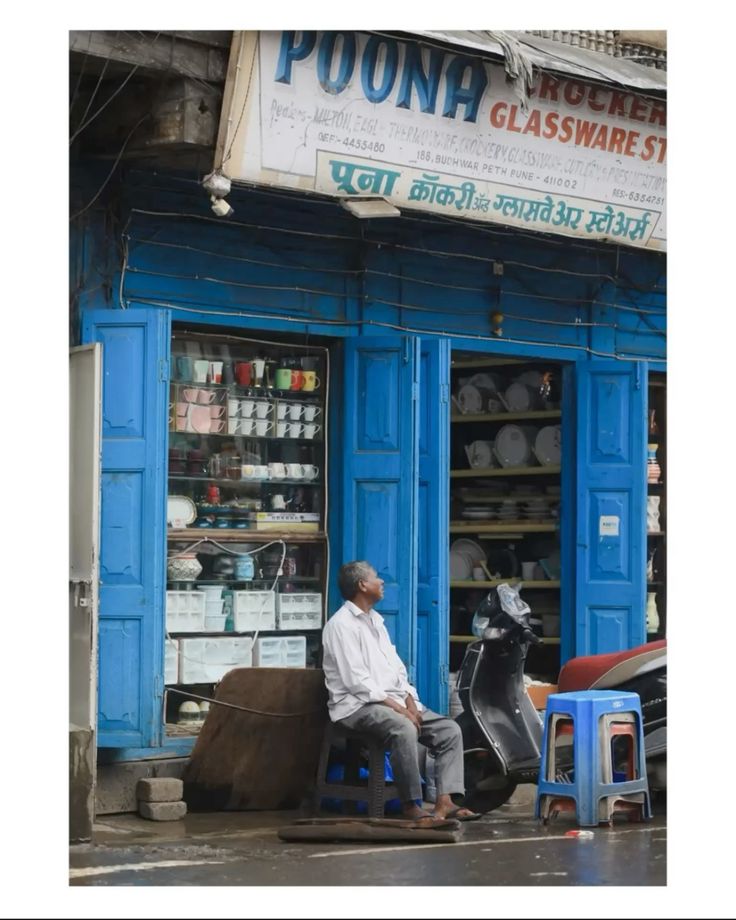
I grew up watching people make the most of what they had.

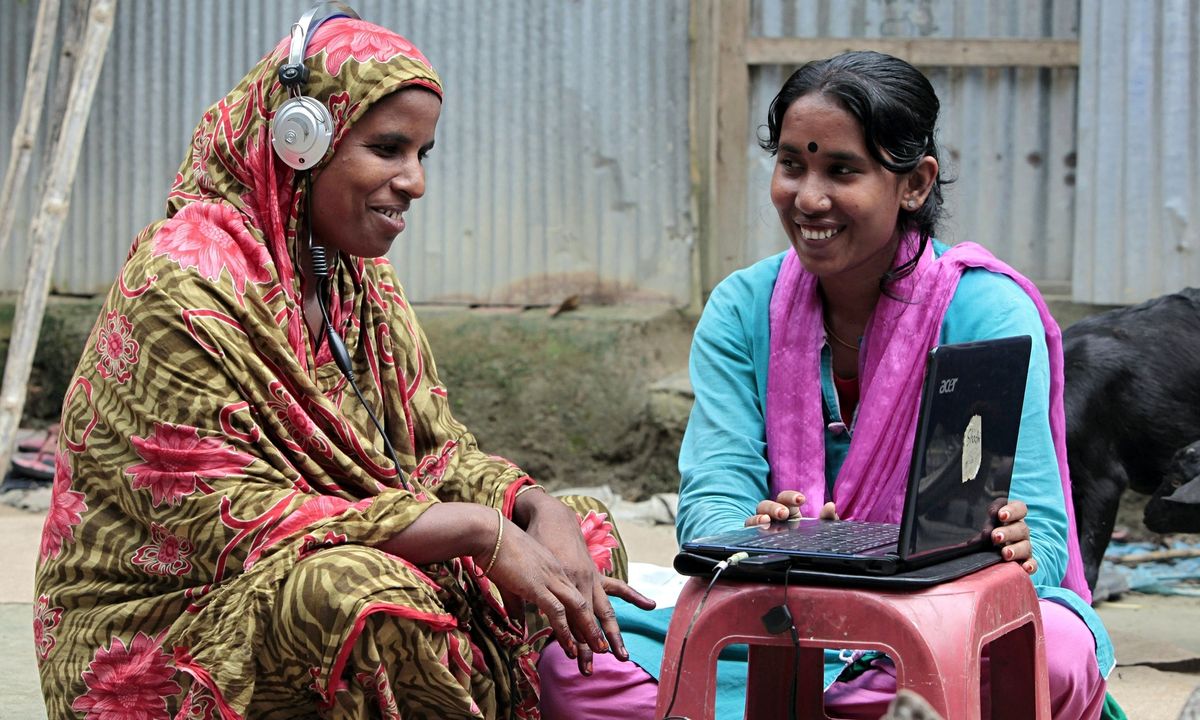
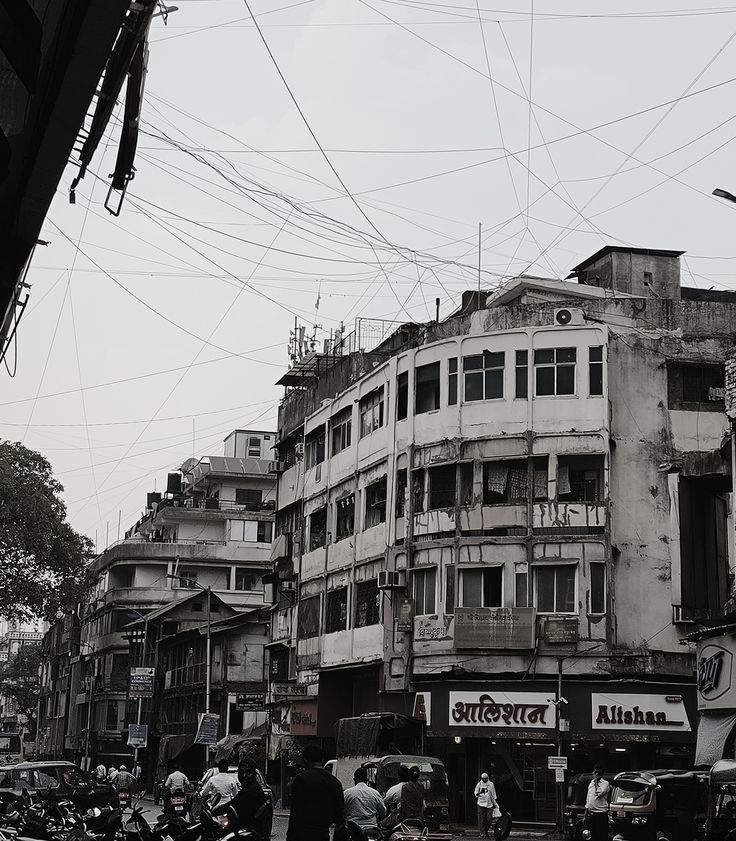
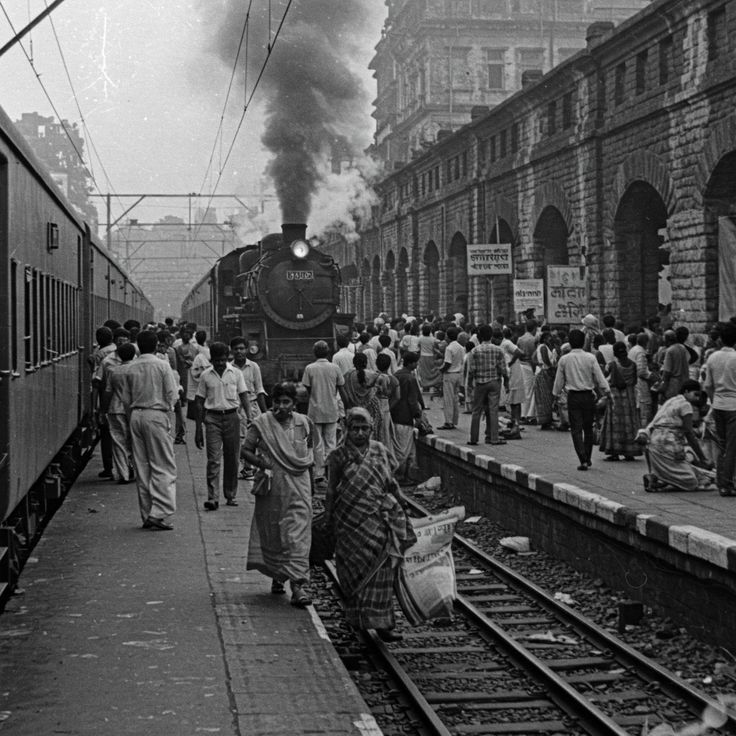
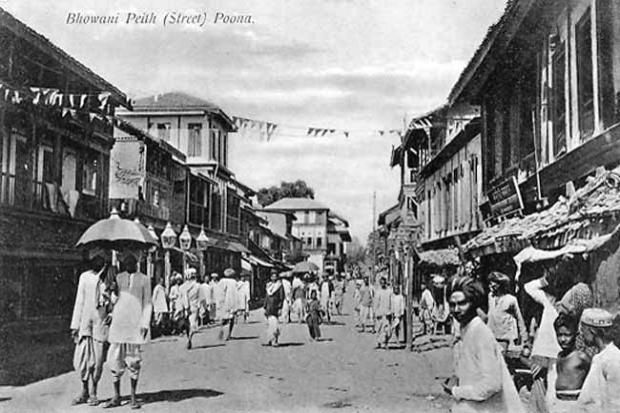
Growing up, I saw very different realities exist side by side. My parents were closely involved with the community around us, and through that I saw how people with limited time, money, and access still found ways to solve problems, support their families, and keep moving forward.

What stayed with me was not only the lack of resources, but the resourcefulness people showed despite those constraints.

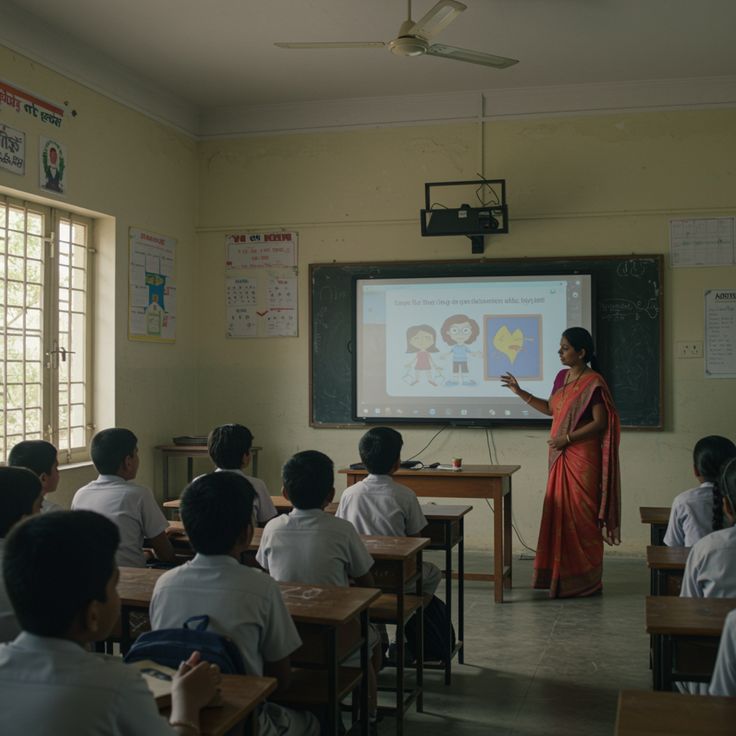
I also grew up seeing education as one of the strongest ways to expand what was possible. That combination of resourcefulness, learning, persistence, and making careful use of what is available shaped the way I began thinking about opportunity.
02Enterprise

Business was never an abstract idea in my family.

My father worked full time as a quality control engineer, while also exploring different ways to build something alongside his career. Over the years, I watched him work with small businesses, repair work, partnerships, and different entrepreneurial ideas.

That showed me that building something takes much more than a good idea. Time, capital, trust, skills, people, and the ability to work within constraints all matter.

I also saw that when an idea began to work well, it could grow beyond the individual who started it. It could create work for others, support families, and become something more sustainable.

That made me interested not only in how businesses begin, but in how people use limited resources intelligently enough to move from an uncertain idea toward something stable and viable.

03Transformation

Then technology started changing what seemed possible.

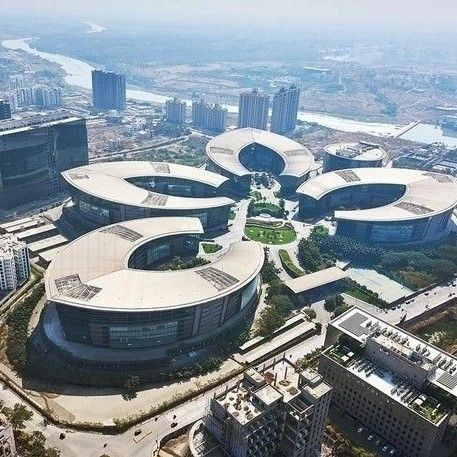
As Pune became increasingly connected to technology, IT, education, and new forms of business, the tools available to ordinary individuals were changing too.

That shift made me think differently about resourcefulness.

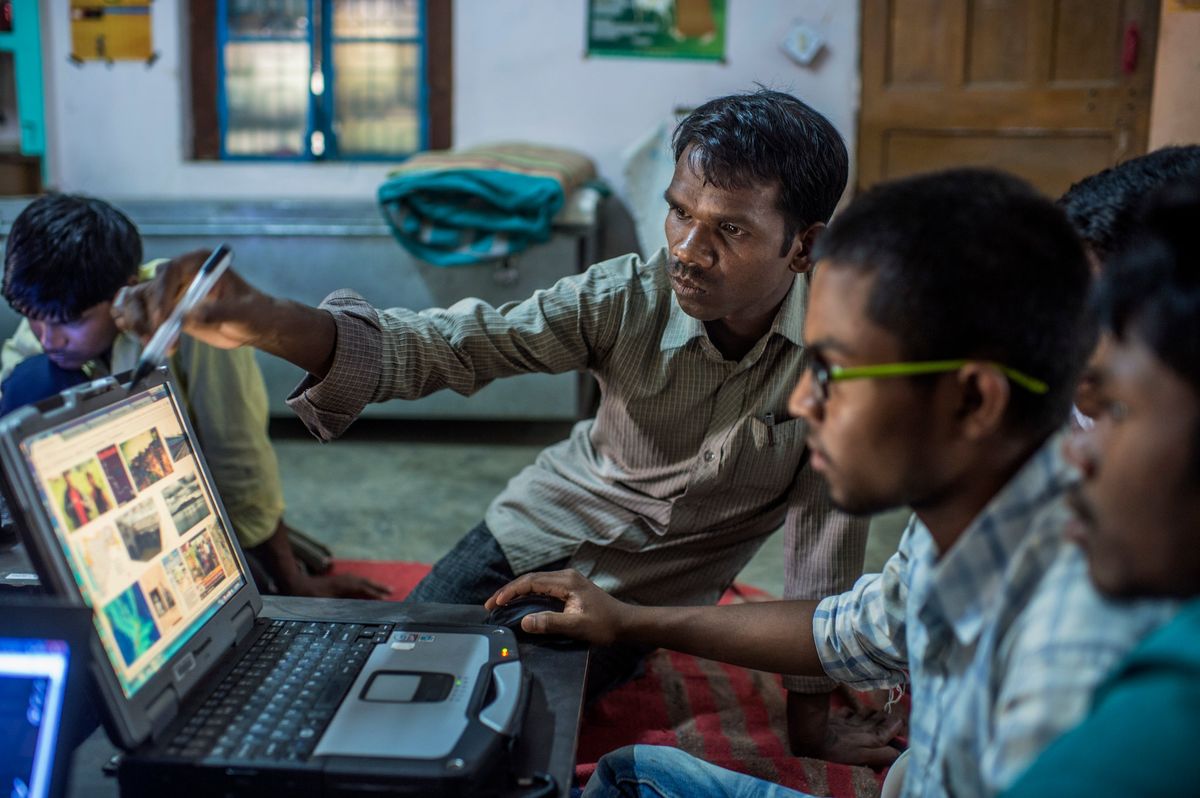
If people had always found ways to work around limitations using whatever was available to them, what could happen when technology itself became one of those resources?

Could someone use technology to research an idea, test it, plan it, reach customers, make decisions, or manage parts of a business before committing large amounts of time, money, or people?

Could better tools make it easier to experiment carefully, learn faster, and move through the fragile early stages of building something?

04Research

That possibility eventually became my research direction.

Today, much of my research sits at the intersection of artificial intelligence, entrepreneurship, resource constraints, and economic opportunity.

I am especially interested in whether increasingly capable AI tools can extend what individuals and very small teams are able to do with the resources already available to them.

Can AI help someone test an idea before making a major commitment? Can it reduce the amount of capital, time, or specialized support needed in the earliest stages? Can it help a person manage more independently while they are still trying to understand whether an idea is viable?

And if those early constraints can be reduced, could more ventures eventually reach the point where they are stable enough to grow, hire, and create longer term opportunities for others?

The thread that continues

My research keeps coming back to one question:How much more can people build when technology helps them make better use of the resources they already have?